The Advantages of Vegan Baking
No longer just an alternative. Today, vegan baking is not only innovative, it’s often healthier and more sustainable than traditional baking. Discover why modern, plant-based desserts don’t just measure up – they rise above.


1. Small Batch Recipes
Have you ever wanted to make half (or even a quarter) of your favorite recipe? Maybe you’ve toyed around with single-serve versions. If so, you’ve likely run into the issue of how to cut an egg in half. In traditional baking, eggs are often the limiting factor for batch size – the smallest batch possible is entirely dependent on ratios without compromising the texture or flavor of the final product. Vegan recipes simply don’t have this issue!
 single serve vegan double chocolate chip cookie – The Banana Diaries


What if you need to scale down a vegan that calls for flax eggs? Simply maintain the volumetric flax seed to water ratio (1 part flax, 3 parts water). Use this handy reference chart below to modify your favorite recipes:
Eggs |
Ground Flaxseeds |
Water |
|---|---|---|
|
1 |
1 TBSP |
3 TBSP |
|
2/3 |
2 tsp |
6 tsp |
|
1/2 |
1/2 TBSP |
1 + 1/2 TBSP |
|
1/3 |
1 tsp |
3 tsp |
|
1/4 |
1/4 TBSP |
3/4 TBSP |
2. Go Ahead, Eat the Dough!
This is by far my favorite argument for choosing a vegan recipe. Let’s be honest, we all want to lick the spoon. If you’ve ever been “guilty” of eating raw cookie dough or brownie batter, you were probably aware that you were doing so at the risk of salmonella exposure from the egg. Without raw eggs, the risk of food poisoning drops substantially. *Please note, the risk is still not zero!


*To responsibly minimize the risk of getting sick from no-bake recipes, toast your flour in the oven before adding it to the recipe. All-purpose and other wheat flours are considered raw food products (yes, even bleached flours). The flour could contain E. Coli, Salmonella, or other harmful pathogens. Heat treating the dry flour before adding it to your no-bake recipe is the best way to protect yourself from a potential illness.
To heat treat your flour, bake up to 3 cups at 300 F (150 C) for 10 minutes on a large sheet pan, stirring every 2 minutes to prevent browning.
If you don’t want to heat treat your flour, you can often substitute oat, coconut, almond, cashew, chickpea, or seed flours (sunflower, pumpkin) for a food safe, gluten-free version of your favorite recipe!
3. Full of Fiber
“Veganizing” a traditional recipe often involves swapping butter, milk, eggs with plant-forward alternatives. I often turn to fruit purees, legumes, and nuts or seeds to do the trick. Check out my fiber-filled raw vegan brownie batter recipe for an easy, fiber-filled fix! The best part is that these substitutes also provide micronutrients, omega-3 fatty acids and antioxidants!
Fiber is an essential component of a healthy diet that can only come from plants. That’s right, if you’re looking for fiber in animal products, by definition, you won’t.


What are the health benefits of fiber?
Fiber not only promotes gut health, increased intake has a protective effect against multiple types of cancer (Hu et al 2023). Despite this, most Americans fall short of the daily recommended intake of 25 grams (Quagliani et al 2017). Shift your focus to getting enough fiber – your gut will thank you! Learn more about the health benefits of fiber here.
4. Thoroughly Tested Recipes
Vegan recipe developers are forced to innovate by default. Whether it be replacing ingredients, adjusting ratios, or even adapting techniques, their creative muscle is always being tested. Recipes developed by plant-based foodies are often the results of multiple rounds of experimentation and are therefore exceptionally fine-tuned to optimize textures and flavors.


I can personally attest to this, with a current 16-item list of banana bread recipes and a spreadsheet mapping chocolate chip cookie ingredient ratios to palatability scores such as chewiness, flavor, and spread!
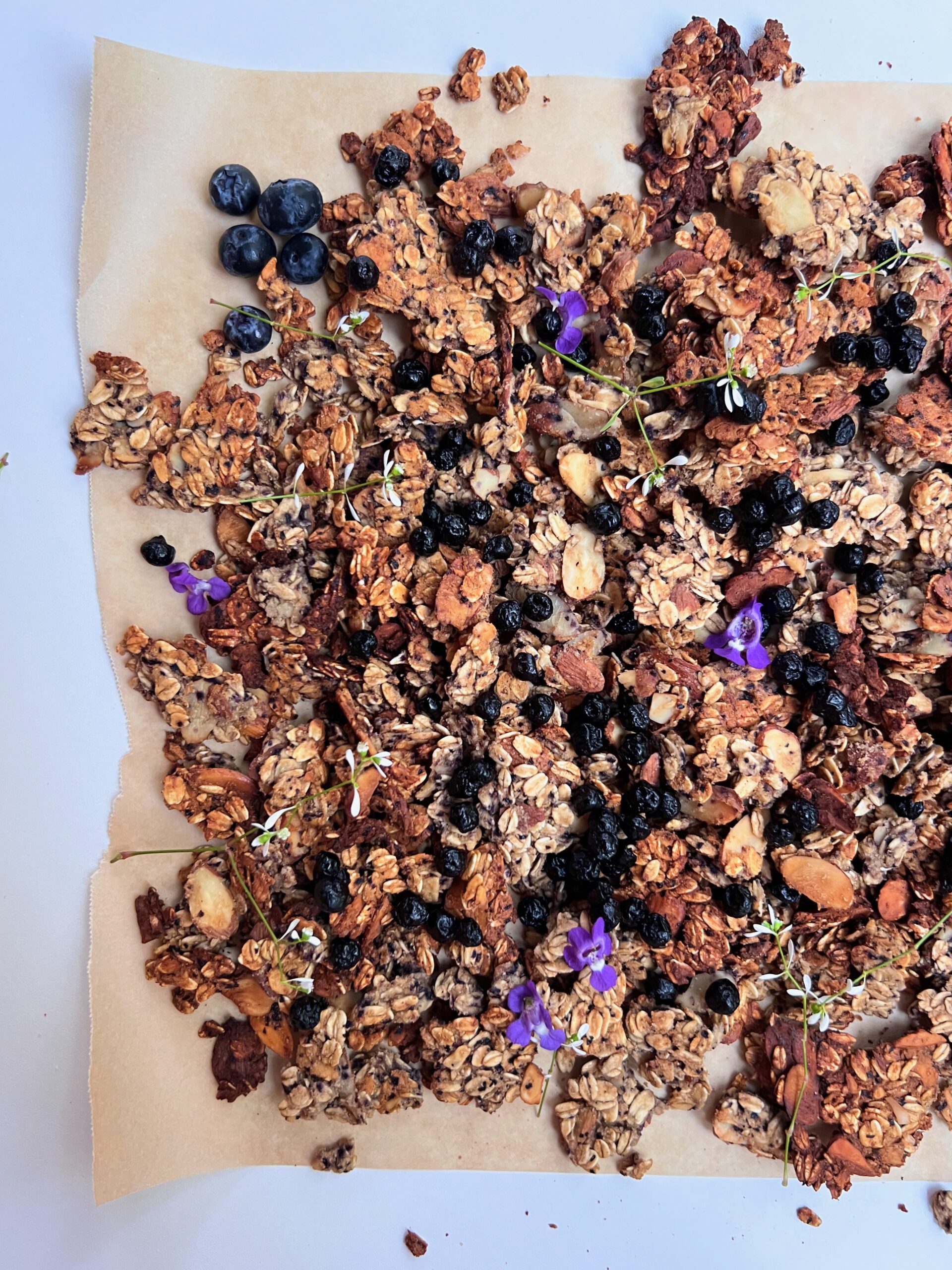
Check out the recipe that took me six tries to get right – gluten free, oil-free, vegan granola!
5. Unexpected Ideas


Freedom to stray from tradition opens doors to unique and sometimes groundbreaking new recipe concepts. Check out my vegan s’mores bars with aquafaba marshmallow fluff and a pecan graham cracker crust. Baking is, at its core, a creative art form.
6. Reduce Your Carbon Footprint


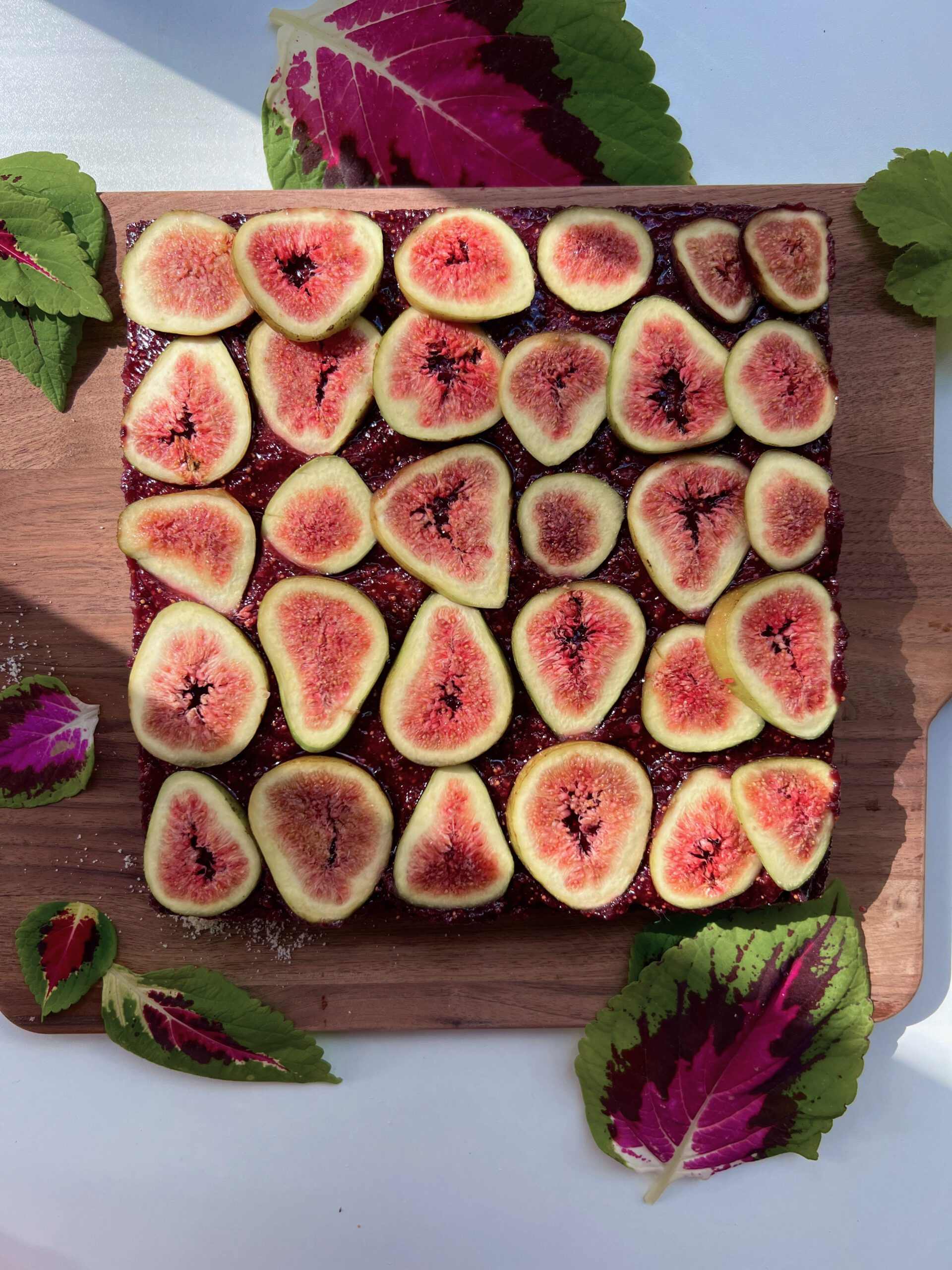
Healthy Fig Bars (only 3 ingredients) – made from fresh figs given generously by a neighbor!
Fortunately and unfortunately, we are more aware than ever of the impacts our lifestyles have on planetary health. True, some behavior changes are more palatable or practical than others, but there are plenty of ways to get involved in combating the climate crisis. When it comes to dietary behaviors, there is no question: a vegan diet is by far the most effective at reducing carbon emissions. Say you enjoy 4 lattes per week – a simple swap of oat milk instead of cow’s milk would save 2.25 kg of CO2 emissions per week (Poore 2018).
Want more vibrant, delicious plant-based recipes?
Follow other plant based bakers!
This list is a quick guide to some of the best plant-based bakers of our generation. Go for vegan recipe inspo and stay for the warm, welcoming vibes.
Hungry for more plant based recipes? Check out my soup girl summer ebook and vegan meal plans!
-

Coastal Grandmother Meal Plan
$12.00 -
Green Goddess | 7 Day Meal Plan
$12.00 -
Soup Girl Summer
$5.00


References
- Dixon KA, Michelsen MK, Carpenter CL. Modern Diets and the Health of Our Planet: An Investigation into the Environmental Impacts of Food Choices. 1. 1 Nutrients. 2023 Jan 30;15(3):692. PMID: 36771398; PMCID: PMC9919910. DOI: 10.3390/nu15030692
- Hu J, Wang J, Li Y, Xue K, Kan J. Use of Dietary Fibers in Reducing the Risk of Several Cancer Types: An Umbrella Review. Nutrients. 2023 May 30;15(11):2545. PMID: 37299507; PMCID: PMC10255454. DOI: 10.3390/nu15112545
- Poore, J., & Nemecek, T. (2018). Reducing food’s environmental impacts through producers and consumers. Science, 360(6392), 987-992. – processed by Our World in Data. Accessed online January 22, 2024.
- Quagliani D, Felt-Gunderson P. Closing America’s Fiber Intake Gap: Communication Strategies From a Food and Fiber Summit. Am J Lifestyle Med. 2016 Jul 7;11(1):80-85. PMID: 30202317; PMCID: PMC6124841. DOI: 10.1177/1559827615588079